Fantasy Tips

Fantasy tips that read like a cricket correspondent

The fantasy tips on this page are not hype. They are the desk's reading habit, organised into chapters on captaincy, role balance, pitch reading and contest selection. Each tip is grounded in the public form, the venue, and the conditions. Run a practice contest first, then move to paid contests when the habit feels natural.

Two cricket enthusiasts comparing player tokens on a wooden board CrickBet
Chapter 01

Captaincy, the multiplier

The captain pick is the single most consequential decision in any fantasy contest. The desk treats it as a multiplier, not a hero pick.

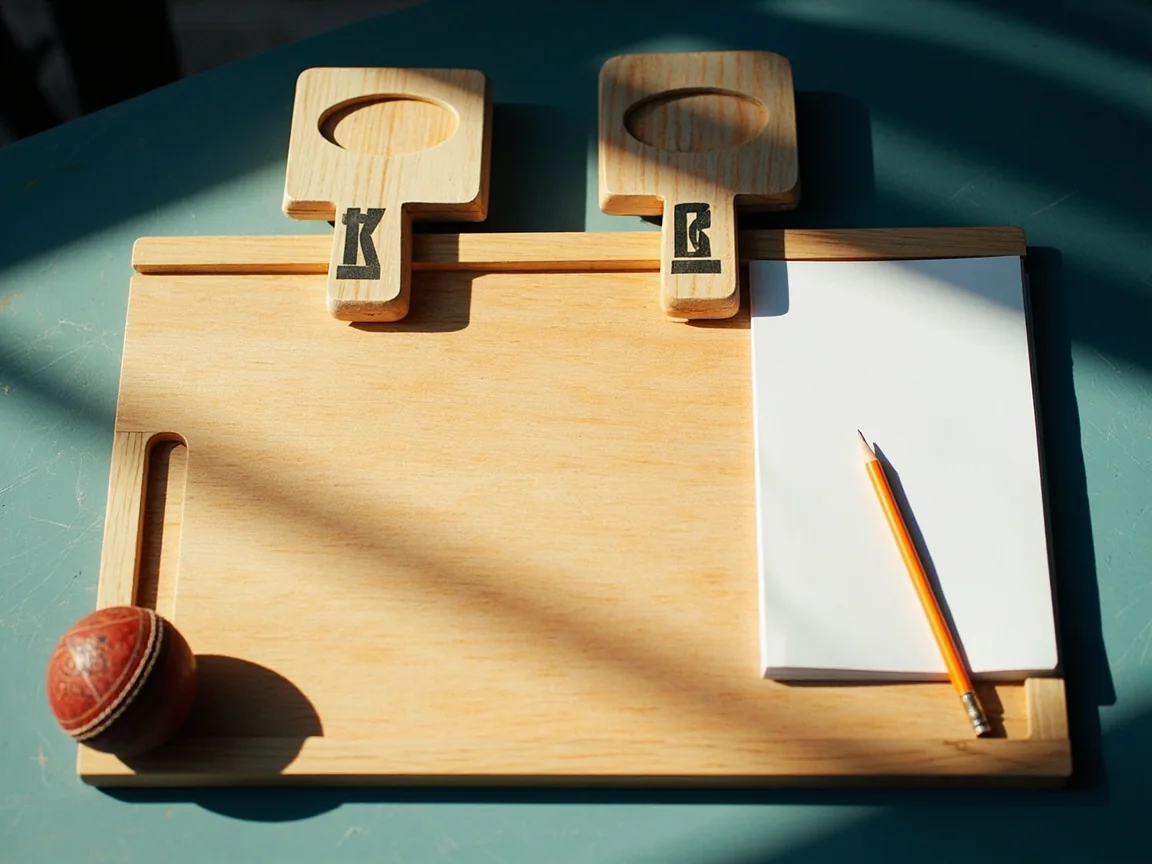
A tactics board with two wooden captain markers and a ball
  • 1
    Top-order batters. The captain most likely to bat through the innings. Openers and number three batters face the most balls.
  • 2
    All-rounders. A genuine all-rounder bowls four overs and bats in the middle order. Two-point sources from a single slot.
  • 3
    Spinners on used wickets. On a used Indian wicket, spinners who bowl in the middle overs can pick up 25 to 40 wicket-bonus points.
  • 4
    Death bowlers. A death bowler who can pick up two wickets in the final four overs can match a fifty with the bat on points alone.
Chapter 02

Role balance and the eleven

Role balance is the first constraint, not the last. The desk builds the side from the role caps down.

  • A
    Read the role caps. Most T20 contests cap at one wicketkeeper, three to five batters, one to four all-rounders, and three to five bowlers.
  • B
    Pick the wicketkeeper first. The keeper slot is often the smallest, so choose early.
  • C
    All-rounders are the multiplier. A genuine all-rounder gives you batting and bowling points from a single slot.
  • D
    Pick bowlers by role. Powerplay, middle-overs and death bowlers each score in different phases.
Balanced cricket tokens arranged on a quiet field board
Chapter 03

Pitch reading and the chase

The pitch sets the ceiling and floor of the score. A 180 chase is a different game than a 220 chase.

A quiet cricket pitch at dusk with notebook and pen nearby
  • 1
    Surface type. Grass holds the ball longer and favours seamers early. Dry surfaces favour spin from the ninth over.
  • 2
    Weather and dew. Heavy dew in the second innings makes grip harder for spinners and easier for batters.
  • 3
    Match-up history. Some venues have a known character. The desk keeps a quiet log over the season.
  • 4
    Chase vs defend. The toss decision tells you which captain is chasing. Cross-check with the contest deadline.
Chapter 04

Contest selection

Picking the right contest is as important as picking the right team. The desk runs three habit checks before any entry.

PR

Practice first

Run a practice contest before any paid entry. The interface teaches itself if you let it.

MG

Mega with discipline

Large-field grand slates have longer odds. Build for the season, not the slate.

H2

Head-to-head with logic

One versus one or two versus two. Lower variance, smaller payout, useful for testing captain logic.

Final Check

The five-minute routine before lock

  1. Confirm the playing XI. Fantasy points are zero for a player who is rested. Verify on the official app.
  2. Confirm the credits used. Most contests cap credits at 100. The desk uses the cap deliberately, not accidentally.
  3. Confirm the captain logic. Re-read the notes you wrote when you built the team.
  4. Confirm the contest card. Entry fee, payout, tie-breaker. Read the card before you tap submit.
  5. Lock with twenty minutes to spare. Last-minute changes often cause more harm than good.
Common Questions

What readers ask the desk

What is the single best fantasy tip?

Treat fantasy as a reading habit. The reader who finishes a season well is rarely the reader with the loudest teams. It is the reader who read the pitch report, the playing XI and the contest card before anyone else did.

How many teams should I enter in one contest?

Most multi-entry contests cap at between 6 and 11 teams per user. The desk recommends keeping the team count manageable to avoid decision fatigue.

Should I captain an all-rounder or a top-order batter?

It depends on the surface and the match-up. On a flat pitch, a top-order batter who bats through is more reliable. On a used wicket, a bowling all-rounder can pick up wicket bonuses in the middle overs.

How important is the toss?

The toss tells you which captain is chasing and which is defending. The desk treats the toss as a real signal, not a footnote. Cross-check with the pitch report.

Is it better to play more contests or fewer?

Fewer, larger contests give you more variance exposure. More, smaller contests give you more practice but lower upside. The desk recommends matching the contest type to your reading habit.

What is a typical captain multiplier?

Most platforms multiply captain points by 2 and vice-captain points by 1.5. Verify on the contest card before any entry.

Should I edit my team mid-match?

Most contests lock at the start of the match. Some allow substitutions during the first over. Always check the contest card before lock time.

How do I recover from a losing streak?

Pause. Read the next day's pitch report. A losing streak is not a sign to chase. It is a sign to slow down and read more carefully.

Get Started

Fantasy tips compound across a season.

Build the captain habit, build the role-balance habit, build the pitch-reading habit. The desk is here to help you build them.

Points System Predictions
Editorial disclaimer. CrickBet Field Desk is an independent editorial publication. The desk does not run fantasy contests and does not hold player funds. We do not publish fabricated offers, phone numbers, or owner identities. Fantasy sport involves financial risk. Only users 18 and above should participate. Read our legality guide, set a personal entertainment budget, and play responsibly.
Download Open App